01 · Tasly Media
Medicinally Active Cells
Culture systems engineered to preserve identity, purity, potency and aging resistance.
- Tissue-origin identity
- Freedom from heterogeneity
- High personalized potency
- Aging resistance
Tasly Institute of Life Rejuvenation
Tasly Institute of Life Rejuvenation develops AI-aided, cell-based organ rejuvenation strategies — moving healthcare from disease-based medication toward personalized, precision intervention.
Transform disease-based medication into personalized healthcare through AI-aided integration of cell-based organ rejuvenation.
Revolutionize healthcare through personalized cell therapies and organismal rejuvenation strategies.
Novel strategies with Mesenchymal Stromal Cells (MSCs) as powerful biological modulators.
Bridge cutting-edge science with real-world regenerative healthcare solutions.
Not conventional stem cells — MSCs are medicinally active stromal cells that regulate the tissue microenvironment, vascular stability, immune activity and endogenous repair.
A therapeutic framework in which medicinally active cells help remodel the tissue microenvironment, promote angiogenesis, revive injury signals and guide organ system rejuvenation.
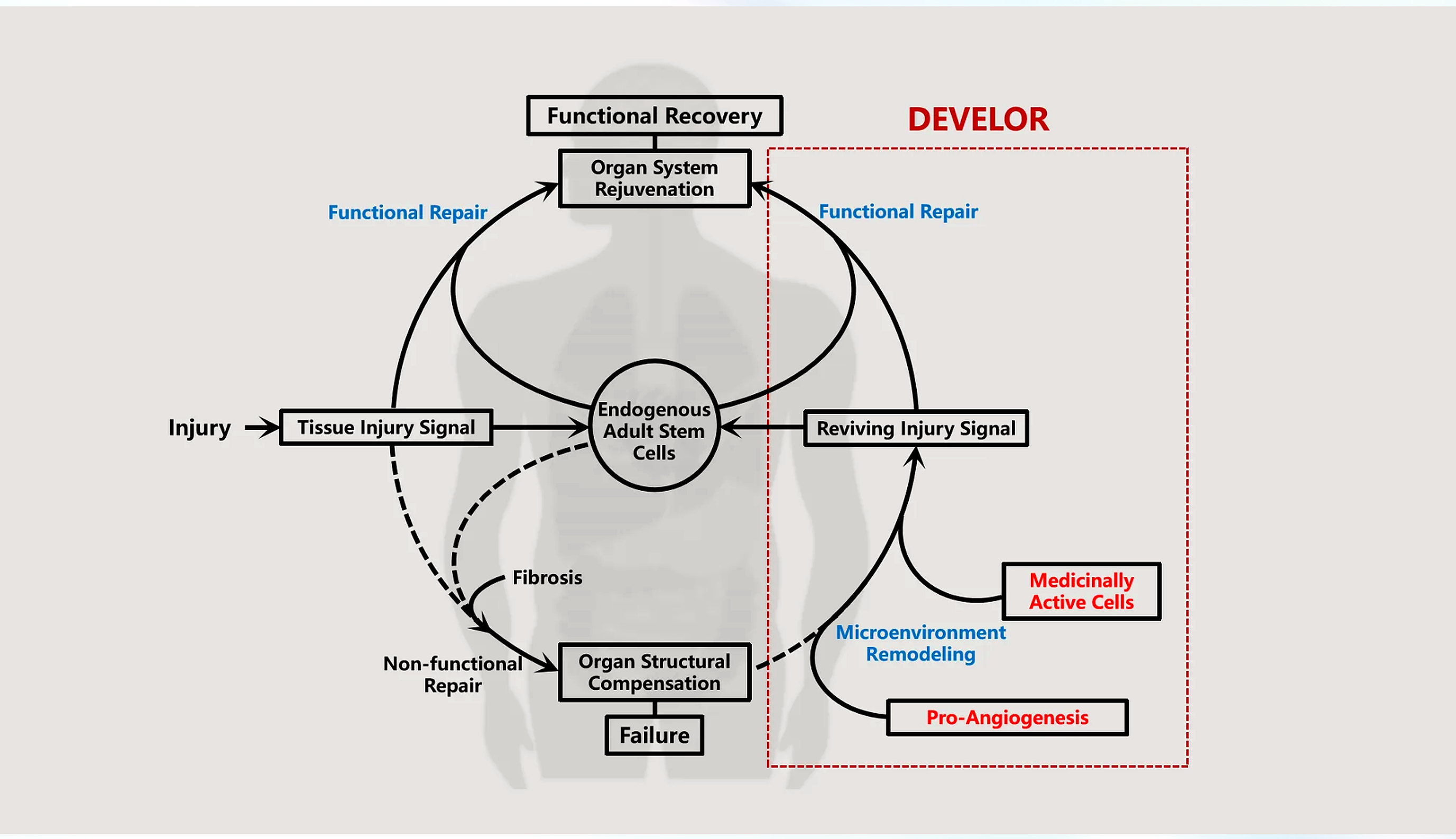
Remodel the tissue microenvironment through calibrated MSC preparation.
Restore microcirculation and enable effective cell homing to injured tissues.
Reactivate endogenous adult stem cells within the correct time window.
Guide organ system rejuvenation and durable functional recovery.
From preparation to quality, timing and delivery — each platform is engineered around a single, coherent scientific model.
Culture systems engineered to preserve identity, purity, potency and aging resistance.
AI-aided single-cell omics defines signatures and releases only high-potency, homogeneous products.
Organs-on-a-chip + proteomics build a personalized profile defining the correct intervention window.
Tissue-specific pro-angiogenesis restores microcirculation so exogenous MSCs reach targets.
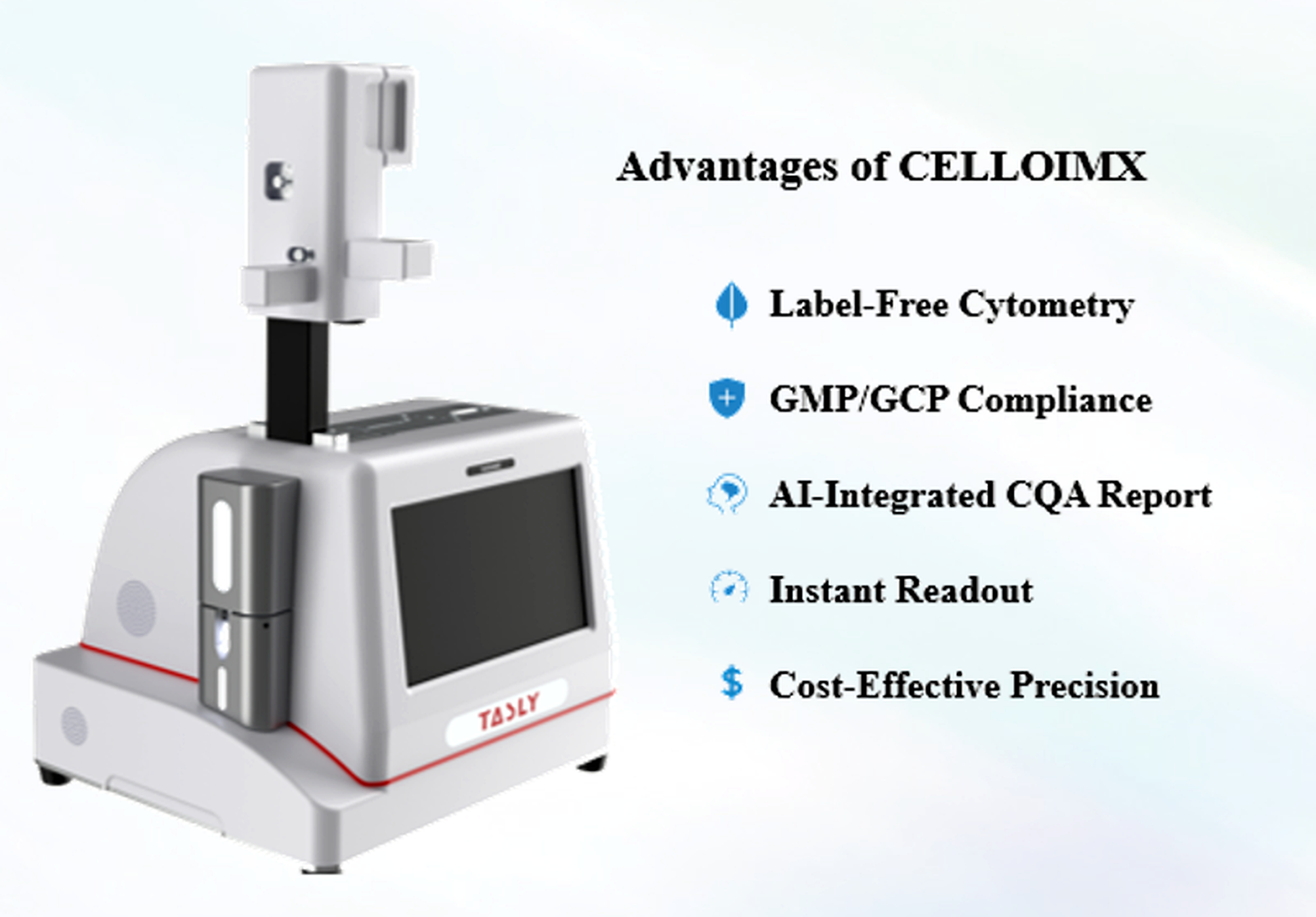
A label-free cell detection chip integrated with big-data-model-driven algorithmic screening. Counts, sizes, analyzes and predicts risk for every cell product.
Cell-based rejuvenation is being explored across cardiovascular, autoimmune, metabolic, neurological and homeostatic contexts.
Heart tissue repair, microcirculation recovery, post-injury functional support and vascular remodeling.
Immune regulation and modulation of chronic inflammatory microenvironments with personalized profiling.
MSC-based therapy for steroid-refractory graft-versus-host disease contexts.
Investigating Parkinson's, stroke recovery and cognitive rejuvenation pathways.
Hypertension, diabetes and pulmonary arterial hypertension case-report focus.
Insomnia and personalized homeostatic profile interventions.
Selected patient-reported outcomes shared for reference. Content is illustrative of case-report material and does not constitute medical claims.

"I feel so good to inhale the fresh air again — what a relief!"

"I can walk without getting worn out — it's lovely to be out and about again."

"Tucking into hot pot again, all by myself — brilliant!"

"Finally, I am having sound sleep again."

"I'm back to having a kickabout with my grandson — a nice feeling!"
Patient-reported outcomes are anecdotal case-report material shared by the institute. They are not statements of clinical efficacy and should not be interpreted as medical claims.
The Insight platform bypasses traditional publication delays to share standards, technologies and collaborative opportunities globally.
From 'mesenchymal stem cells' to mesenchymal stromal cells — a mechanism-driven repositioning.
Why MSCs are more accurately stromal cells that regulate vessels, signals and endogenous repair.
Cell identity, mechanism of action and validated quality standards.
A team of scientists under 40 pushing the boundaries of cellular rejuvenation, MSC biology, AI-driven analysis and regenerative medicine.
MSC differentiation pathways · Harvard Medical School · pioneering work in exosome therapeutics.
MIT PhD · predictive models for cell therapy outcomes with advanced machine learning.
Princeton · CRISPR applications in MSC engineering · 12 patents in cell modification.
Academic medical centers, clinical trial consortiums across Asia, Europe and North America, and fellowship programs shaping the next generation of cell therapy specialists.

Tell us about your application, partnership interest or research collaboration and our team will respond with the most relevant technical information.
Content shared on this website is intended for scientific and business inquiries. It is not medical advice. Clinical and regulatory statements should be verified with primary sources.